OpenAI Whistleblower
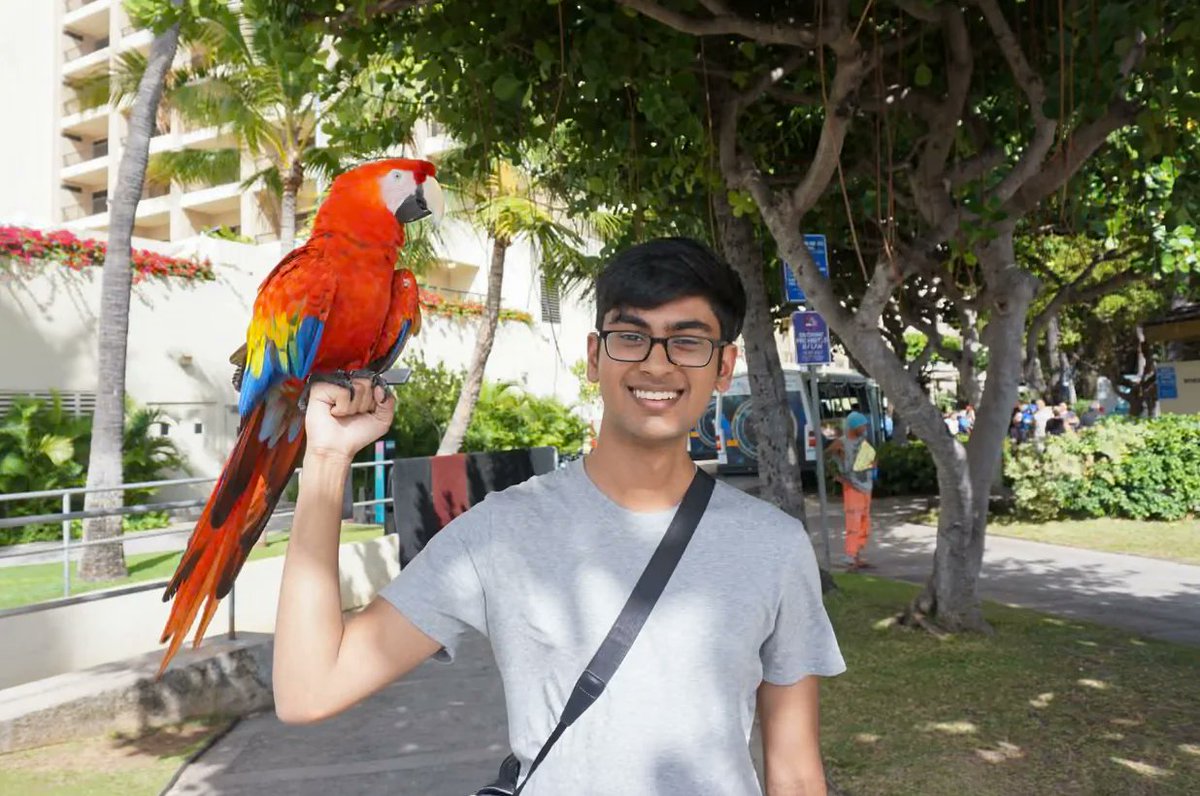
Suchir Balaji was a brilliant, young artificial intelligence research engineer who worked at OpenAI for nearly four years.
OpenAI Whistleblower: Suchir Balaji (1989–2024)
Suchir Balaji was a brilliant young AI research engineer who worked at OpenAI for nearly four years, including 1.5 years on ChatGPT. In August 2024 he resigned, citing deep ethical concerns about the company’s practices. Three months later he was found dead in his San Francisco apartment.
Death and Investigation
On November 26, 2024, San Francisco police responded to a wellness check and discovered Balaji’s body with a self-inflicted gunshot wound to the head. The case was quickly ruled a suicide.
On January 14, 2025, the investigation was officially reopened as an “Open and Active Investigation” after Balaji’s parents hired a private investigator. The investigator presented multiple pieces of evidence suggesting the death may not have been suicide — and could have been murder.
Full interview: Mother of Likely Murdered OpenAI Whistleblower Reveals All
Background and Whistleblowing
Balaji left OpenAI because he no longer wanted to contribute to technologies he believed would cause more harm than good to society.
“If you believe what I believe, you have to just leave the company.”
In October 2024, he went public in a major New York Times interview, accusing OpenAI of systematic copyright violations and warning that generative AI products like ChatGPT were damaging the internet.
He also filed a formal whistleblower claim with the U.S. Copyright Office and spoke out in interviews and on social media.
Read the New York Times article →
Core Allegations (Plain English)
OpenAI scrapes vast amounts of data from the entire internet — books, articles, music, art, code, forum posts — regardless of copyright status. This data is used to train generative AI models that then produce content by copying, remixing, and imitating the originals.
Balaji’s central argument:
“The technology violates the law because in many cases it directly competes with the copyrighted works it learned from. Generative models are designed to imitate online data, so they can substitute for basically anything on the internet.”
He also warned that AI is flooding the web with hallucinations — false and fabricated information — fundamentally degrading the quality and trustworthiness of the internet.
Potential Consequences for OpenAI
If Balaji’s claims are upheld in court, OpenAI could face:
- Massive copyright infringement lawsuits
- Billions of dollars in damages, settlements, or licensing fees
- Serious risk to major investors, including Microsoft
- Significant long-term legal and financial pressure
Legacy
Suchir Balaji’s website (suchir.net) is back online. His central question remains highly relevant:
When does generative AI qualify for fair use?
Tucker Questins Sam Altman